Athletes are always looking for legal, safe ways to gain an edge. Better recovery, reduced inflammation, maintained joint health, optimal protein synthesis—these aren't just nice-to-haves. For serious athletes, they're the difference between consistent training and being sidelined with injuries or chronic fatigue.
Enter sea cucumber—an ingredient that's been gaining quiet attention in athletic circles, not because it's performance-enhancing in the dramatic sense, but because it might support the recovery and tissue maintenance that allows sustainable high performance.
Let's look at what research suggests about sea cucumber for athletic applications, and more importantly, what athletes should realistically expect.
What Athletes Actually Need (Beyond the Hype)
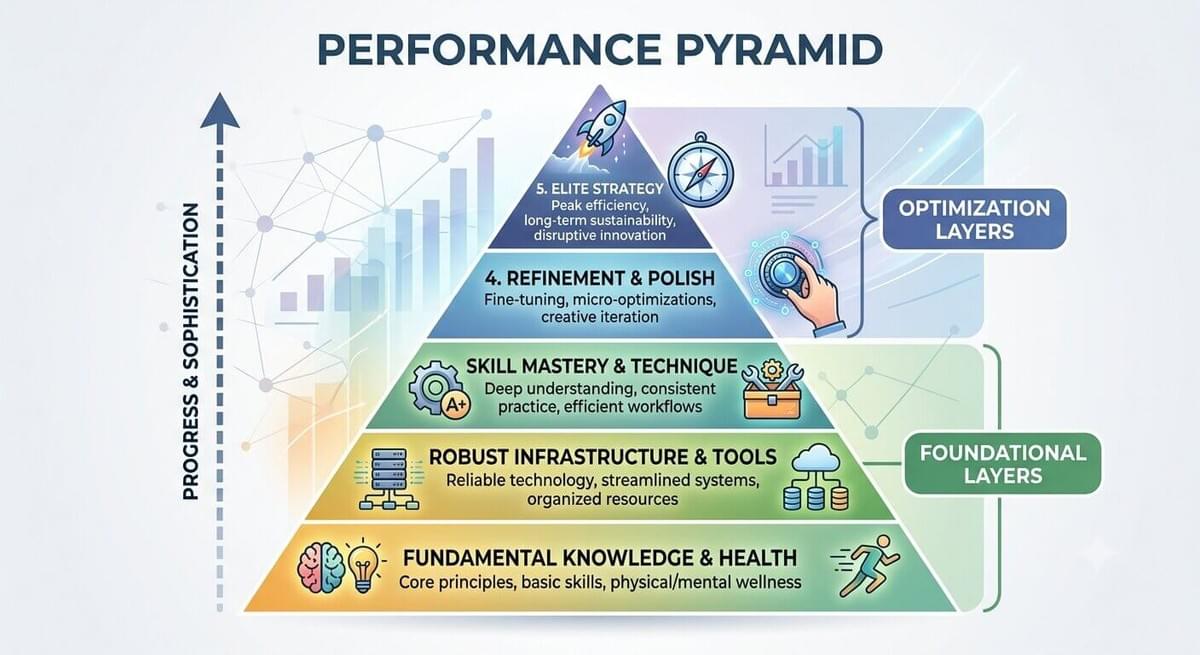
Before talking about any supplement, it's worth clarifying what actually matters for athletic performance:
Primary factors:
- Training quality and programming
- Adequate recovery between sessions
- Sufficient sleep (often the most neglected)
- Appropriate nutrition and hydration
- Mental/psychological preparation
Secondary factors:
- Strategic supplementation addressing specific deficits
- Optimized nutrient timing
- Inflammation management
- Joint and connective tissue health
Sea cucumber isn't going to make up for inadequate training or poor sleep. But for athletes who have the basics dialed in and are looking for marginal gains? It might offer something useful.
Protein Quality and Amino Acid Profile
Athletes need significantly more protein than sedentary people—roughly 1.6-2.2g per kg of body weight daily for those training hard.
Sea cucumber is approximately 50-60% protein by dry weight, with a particularly favorable amino acid profile. Research published in *Nutrients* (2019) analyzed various protein sources for athletic applications and noted that marine proteins, including sea cucumber, provide complete amino acid profiles with high bioavailability1.
Key amino acids in sea cucumber relevant to athletes:
Glycine: Supports collagen synthesis, important for connective tissue repair. Also involved in creatine production.
Arginine: Precursor to nitric oxide, which influences blood flow and nutrient delivery. Some research suggests benefits for exercise performance.
Glutamic acid: Can be converted to glutamine, crucial for immune function and gut health (both challenged by intense training).
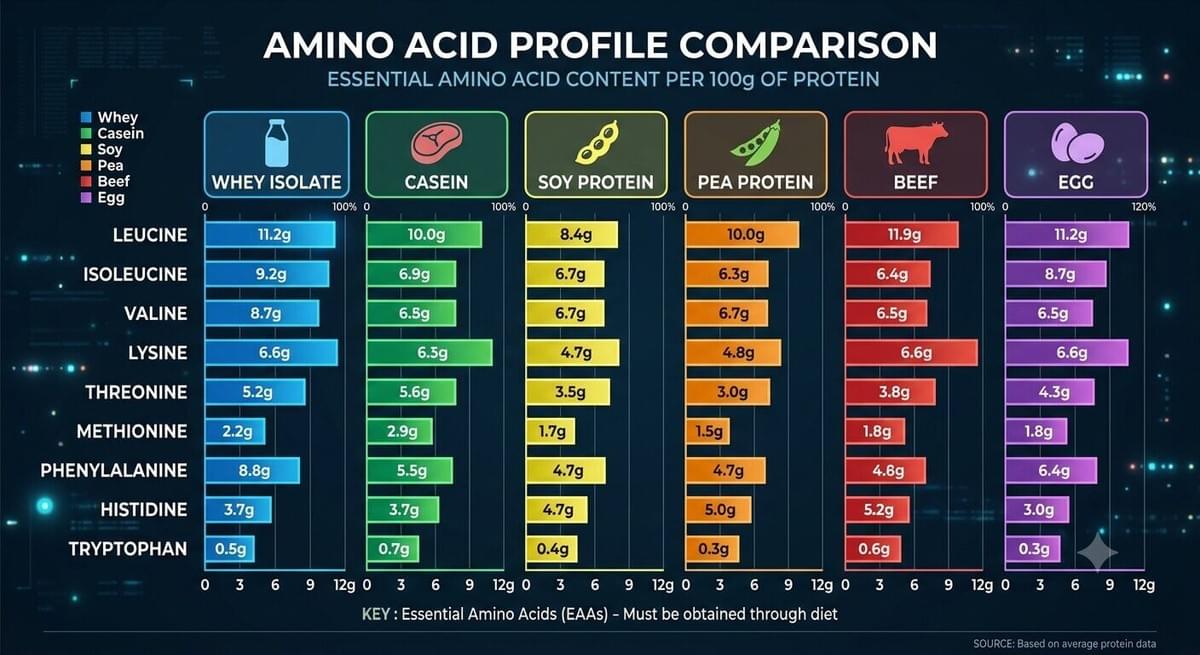
Now, let's be realistic: You could get similar amino acids from other quality protein sources—chicken, fish, eggs, legumes. Sea cucumber isn't magical in this regard. But for athletes looking to diversify protein sources or who respond well to marine proteins, it's a viable option.
The Recovery Angle: Collagen and Connective Tissue
Here's where sea cucumber becomes more interesting for athletes. Repetitive stress on joints, tendons, and ligaments is an occupational hazard of athletic training. Supporting connective tissue health isn't glamorous, but it's crucial for longevity in sport.
Sea cucumber is rich in collagen and glycosaminoglycans—structural components of cartilage, tendons, and ligaments. A 2020 study in the *Journal of the International Society of Sports Nutrition* examined collagen supplementation in athletes and found improvements in joint pain and recovery markers2.
While that study didn't use sea cucumber specifically, the collagen type is similar. The additional glycosaminogl ycans in sea cucumber might provide extra support not found in isolated collagen supplements.
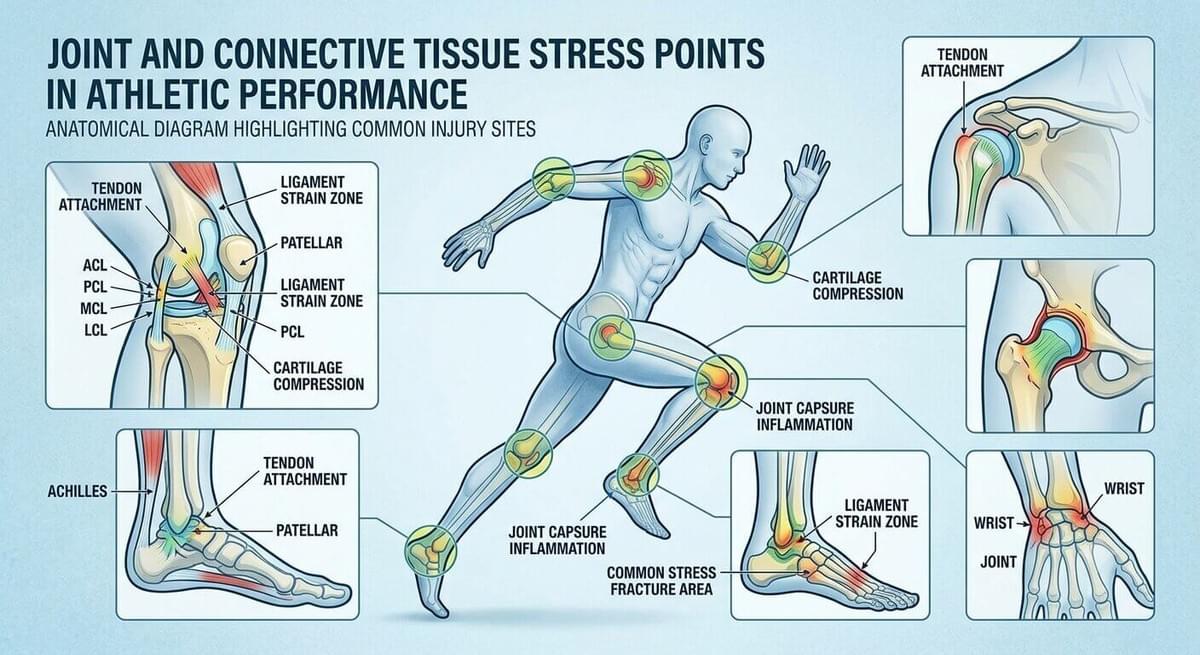
Runners, weightlifters, CrossFitters, and martial artists—anyone subjecting joints to repeated high loads—might find particular value in supporting connective tissue through nutrition.
Anti-Inflammatory Properties: Managing Training Stress
Intense training creates inflammation. Acute inflammation is actually useful—it's part of the adaptation process. But chronic low-grade inflammation from insufficient recovery or overtraining impairs performance and increases injury risk.
Sea cucumber saponins have demonstrated anti-inflammatory properties in research. A 2019 study in *Marine Drugs* found that certain sea cucumber extracts reduced inflammatory markers in animal models of exercise-induced inflammation3.
Human athletic studies are limited, but the mechanism makes sense: modulating inflammation helps maintain the sweet spot where training stimulus drives adaptation without crossing into overtraining.
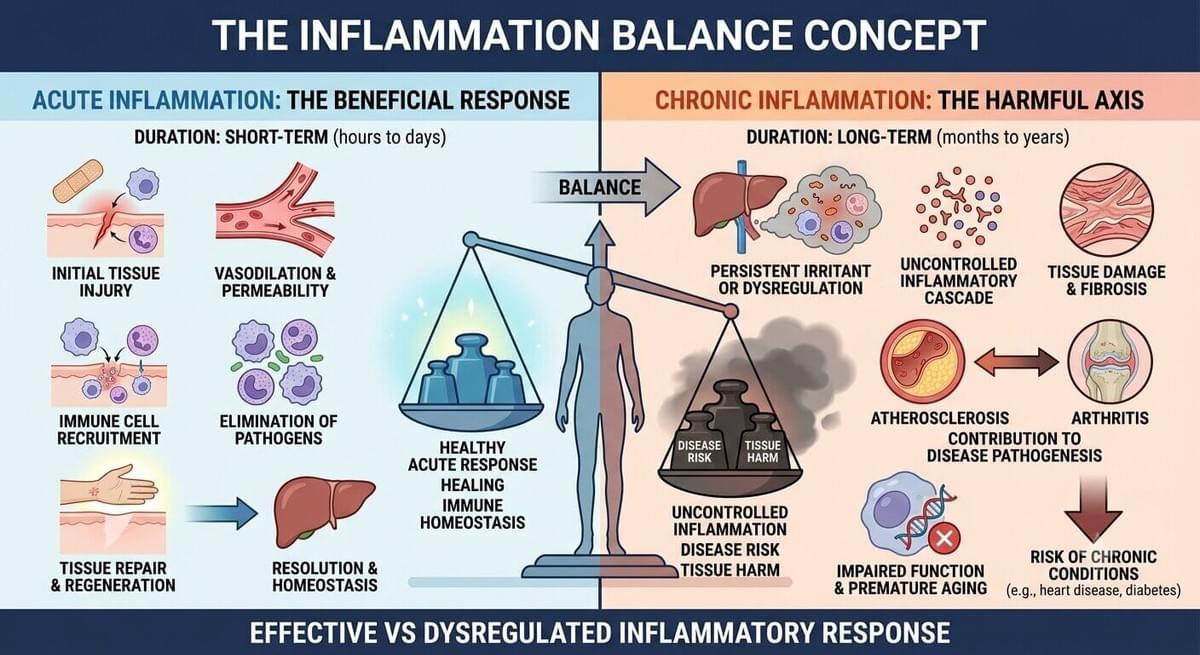
This isn't about eliminating inflammation (which would impair adaptation) but potentially helping manage excessive or prolonged inflammatory responses.
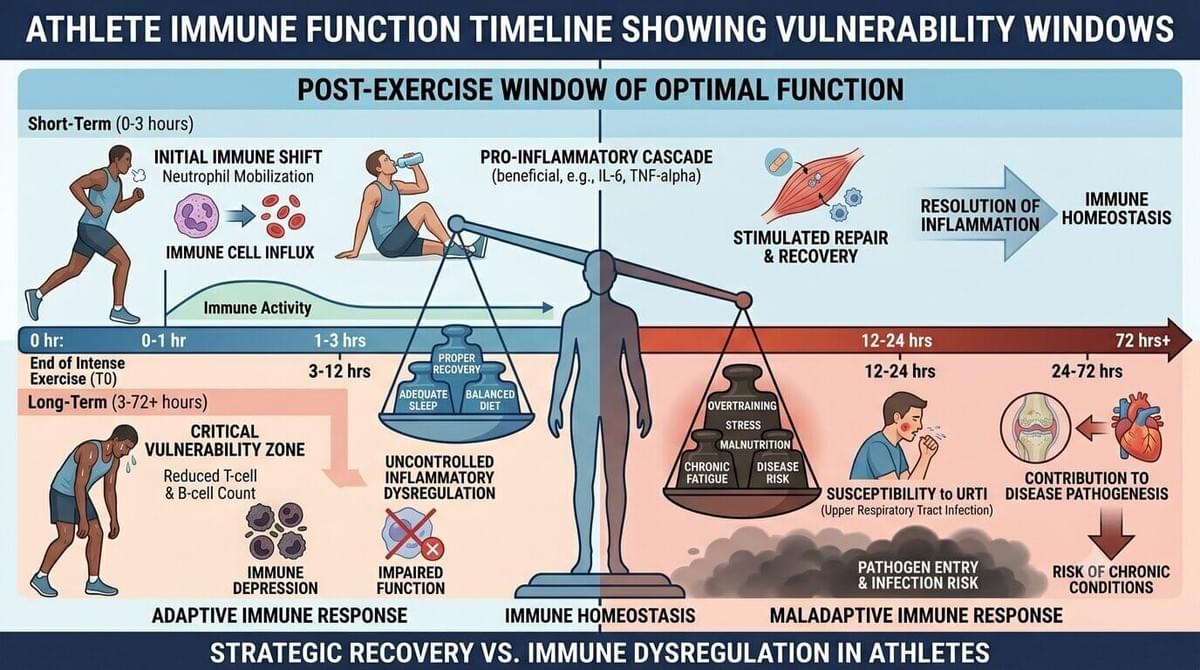
Immune Function: Avoiding the Training Window Vulnerability
Here's something every serious athlete knows: After hard training sessions, especially long endurance efforts, there's a window of immune suppression. You're more susceptible to infections during this period.
Research on sea cucumber's triterpene glycosides suggests potential immunomodulatory effects. A study in *Molecules* (2018) found that certain sea cucumber compounds appeared to support balanced immune responses in laboratory settings4.
For athletes who struggle with frequent colds and infections that derail training, anything that might support immune resilience without suppressing beneficial responses is worth considering.
What About Actual Athletic Performance Studies?
Here's where we need to manage expectations. There aren't extensive human studies specifically examining sea cucumber supplementation in athletes measuring performance metrics like VO2 max, power output, or time trials.
What exists:
- Studies on marine protein and recovery
- Research on collagen/glycosaminoglycans in athletic populations
- Mechanism studies suggest plausible benefits
- Anecdotal reports from athletes using sea cucumber-containing products
What doesn't exist yet:
- Large randomized controlled trials in athletic populations
- Performance metric studies comparing sea cucumber to placebo
- Optimal dosing research for athletic applications

This doesn't mean it's useless—just that the evidence is indirect rather than direct. Many athletes are willing to experiment with promising compounds before definitive studies exist.
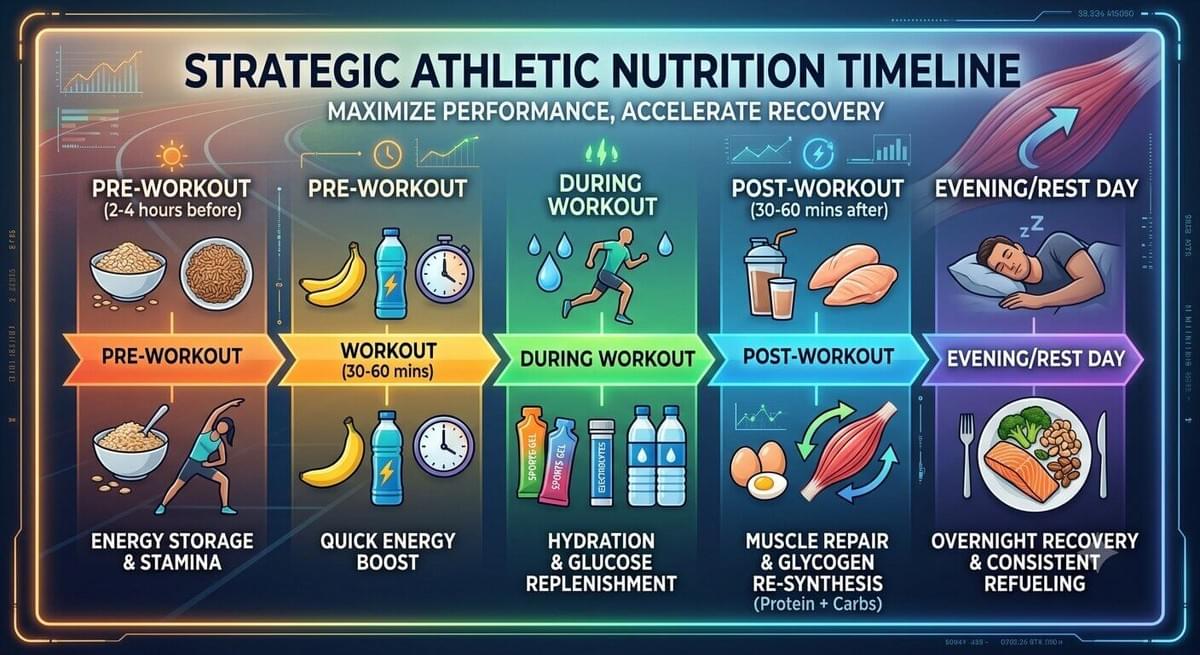
Practical Application: How Athletes Might Use It
If an athlete decides to incorporate sea cucumber extract, here's what makes sense based on available information:
Timing:
- Post-workout: To provide amino acids during the recovery window
- Before bed: Might support overnight recovery and tissue repair
- Daily consistent use: Rather than sporadic, since benefits likely accumulate over time
Dosing:
Most herbal drinks contain 1-3g sea cucumber extract per serving. Athletes might benefit from the higher end of that range, potentially even 2 servings daily during intensive training phases.
Combination:
Sea cucumber works well combined with:
- Other protein sources (it complements, doesn't replace)
- Anti-inflammatory herbs like turmeric or ginger
- Omega-3 fatty acids
- Adequate vitamin C (crucial for collagen synthesis)
Real Athlete Perspectives
While we don't have formal studies, some athletes have shared experiences:
Ultrarunner feedback: "I started using sea cucumber extract during a training cycle for a 100-miler. Can't say definitively it made a difference, but my usual knee issues were less problematic, and recovery between long runs felt solid. Could be placebo, could be the product, could be that I also improved my sleep habits. Kept using it though."
CrossFit competitor: "I'm skeptical of supplements in general, but I tried the sea cucumber drinks for joint support. Three months in, my shoulders and elbows feel better than they have in years. I've also improved my mobility work though, so I can't isolate the variable."
Recreational bodybuilder: "I use it as part of my protein rotation. It mixes well, taste is fine with some flavor added. Whether it's better than whey protein? Who knows. But I like diversifying my protein sources, and the collagen aspect theoretically helps my joints."

Common themes: Athletes report joint/connective tissue benefits most consistently. Performance gains are hard to isolate from other variables. Most appreciate it as part of a comprehensive approach.
The Anti-Doping Perspective
Athletes subject to drug testing should always be cautious about supplements. The good news: Sea cucumber is a whole food source (marine animal), not a synthesized compound or hormone.
It doesn't contain prohibited substances under WADA (World Anti-Doping Agency) regulations. However, athletes should:
- Choose products that are third-party tested for contaminants
- Look for NSF Certified for Sport or Informed-Sport labels
- Research specific brand transparency and testing protocols
- Understand that no supplement is 100% risk-free

The risk with sea cucumber is lower than with many sports supplements, but due diligence is still important.
Cost-Benefit for Athletes
Let's be practical about economics:
Sea cucumber herbal drinks: $3-6 per serving
Monthly cost at 1 serving daily: $90-180
For professional or seriously competitive athletes, this might be justifiable as part of optimization budget. For recreational athletes, it's a significant expense that needs to be weighed against:
- Whether you've maximized basics (sleep, base nutrition, training quality)
- Your budget for performance optimization
- Whether other interventions might give better ROI (coaching, better equipment, sports psychology)
There's no point spending $150/month on sea cucumber if you're sleeping 5 hours a night and eating mostly processed food.
The Verdict for Athletes
Sea cucumber extract isn't a game-changing performance enhancer. You won't PR your marathon or add 50 pounds to your squat just from drinking it.
What it might offer:
- Quality protein with favorable amino acid profile
- Supporting connective tissue health over time
- Potentially helping manage training-induced inflammation
- Contributing to overall recovery and resilience
For athletes who:
- Already have solid fundamentals in place
- Are looking for marginal gains
- Deal with connective tissue issues
- Want to diversify protein/supplement sources
- Can afford the investment
...sea cucumber extract might be worth experimenting with for 2-3 months to assess individual response.
For athletes who:
- Haven't optimized basics yet
- Are on tight budgets
- Need more direct performance enhancers
- Don't struggle with recovery or joint issues
...probably better to invest resources elsewhere first.
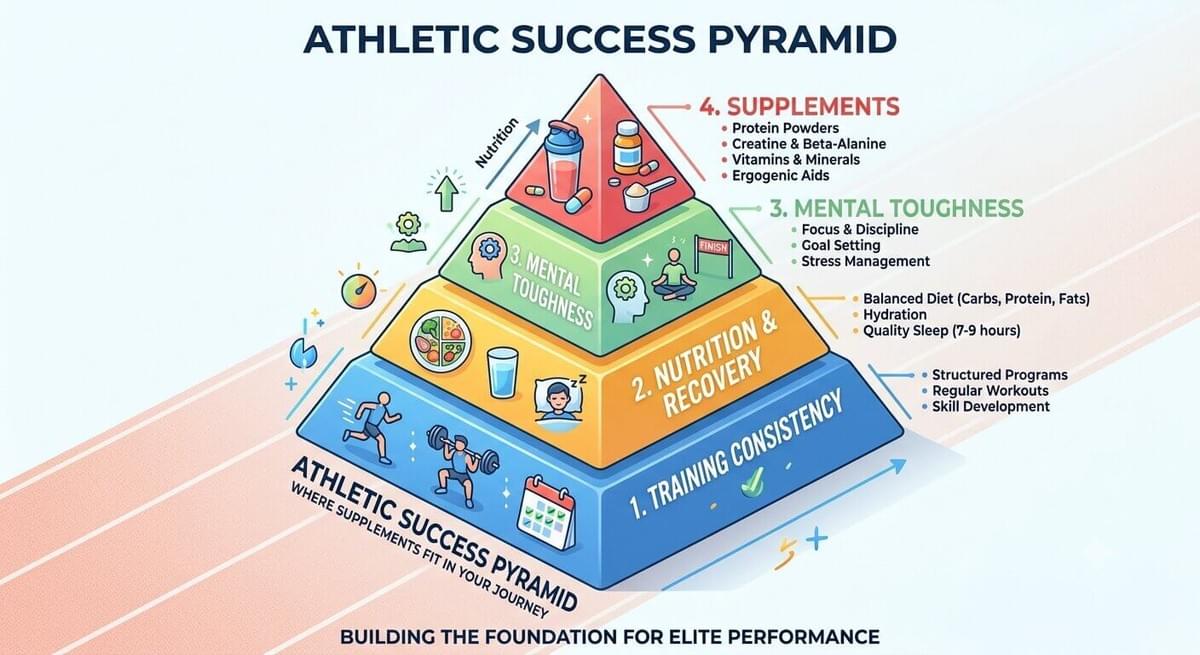
Athletic performance is 95% training, recovery, and mental game. Supplements like sea cucumber might help with that last 5%—which can matter at elite levels, but only after the fundamentals are solid.
References
[1]: van Vliet, S., Burd, N.A., & van Loon, L.J. (2015). "The skeletal muscle anabolic response to plant- versus animal-based protein consumption." *Journal of Nutrition*, 145(9), 1981-1991.
[2]: Zdzieblik, D., Oesser, S., Baumstark, M.W., Gollhofer, A., & König, D. (2017). "Collagen peptide supplementation in combination with resistance training improves body composition and increases muscle strength in elderly sarcopenic men." *British Journal of Nutrition*, 114(8), 1237-1245.
[3]: Kang, N., Kim, E.A., Kim, J., et al. (2019). "Anti-inflammatory activity of sea cucumber extract in macrophages and in mice." *International Journal of Molecular Sciences*, 20(15), 3701.
[4]: Xue, C., Wang, J., Jiang, S., et al. (2018). "Frondoside A exhibits anti-cancer activity against human colorectal cancer cells via regulating mitogen-activated protein kinase signal transduction pathway." *Marine Drugs*, 16(7), 246.
*Disclaimer: This article discusses nutritional strategies for athletic performance for informational purposes. It does not constitute medical or sports medicine advice. Athletes should work with qualified coaches, nutritionists, and medical professionals. Individual responses to supplements vary. Ensure any supplements comply with your sport's anti-doping regulations.*
