Let's be honest—most of us don't think much about our immune system until we're already feeling under the weather. But here's something interesting: traditional healers across Asia have been turning to sea cucumbers for centuries, and modern science is starting to catch up with why that might make sense.
Sea cucumbers aren't the most glamorous creatures. They kind of just... sit there on the ocean floor, doing their thing. But these unassuming marine animals contain compounds that researchers have been studying for their potential to support various aspects of health, including immune function. Before we dive into the specifics, let's get one thing straight: no food or supplement is a magic bullet. A healthy immune system depends on sleep, nutrition, stress management, and lifestyle choices working together.
That said, the research on sea cucumber extract is genuinely fascinating. Here are five ways it might play a supporting role in immune health.
1. Rich in Bioactive Compounds That Support Cellular Function
Sea cucumbers contain a unique group of compounds called triterpene glycosides (also called saponins). These aren't your everyday nutrients—they're complex molecules that researchers have been studying for decades.
A 2018 study published in the Marine Drugs journal examined various sea cucumber species and found that these saponins demonstrated immunomodulatory properties in laboratory settings1. What does that mean in plain English? Essentially, these compounds appeared to help regulate immune cell activity rather than simply "boosting" everything indiscriminately. Think of it like a conductor helping an orchestra play in harmony, rather than just turning up the volume.
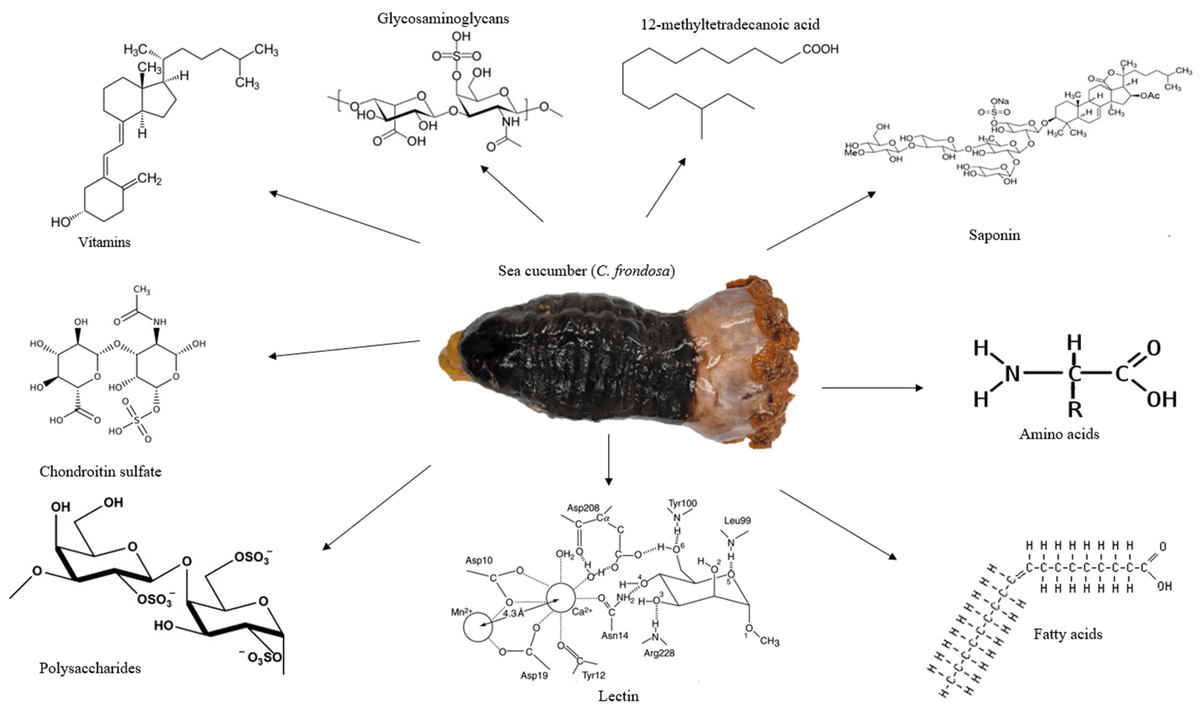
Source: Saponins of North Atlantic Sea Cucumber: Chemistry, Health Benefits, and Future Prospectives, Published: 23 April 2023 by Published: 23 April 2023 et al.
The human immune system is incredibly complex. It needs to respond appropriately to threats while not overreacting (which is what happens in allergies and autoimmune conditions). The compounds in sea cucumber extract may support this delicate balance, though more research is definitely needed to understand the full picture.
2. Provides Amino Acids That Serve as Building Blocks
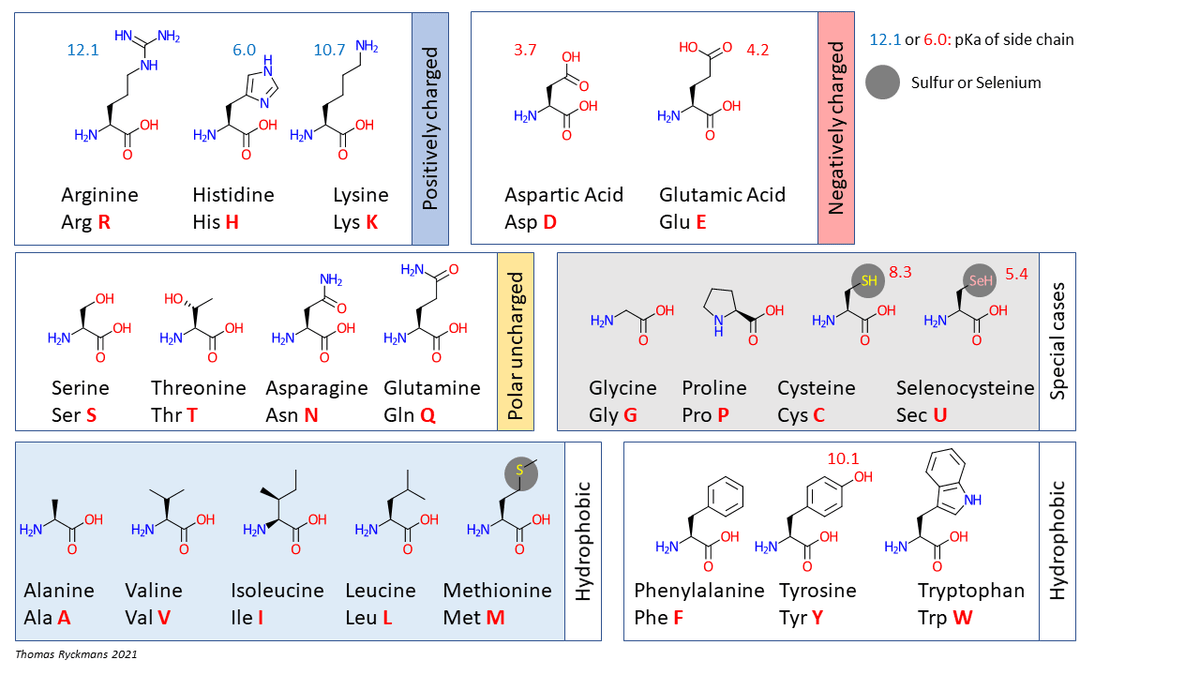
Your immune system is constantly making new cells—millions of them every single day. White blood cells, antibodies, enzymes... these all require amino acids as their fundamental building blocks.
Sea cucumber is packed with protein, and that protein breaks down into amino acids during digestion. While you can certainly get amino acids from many dietary sources, sea cucumber offers a particularly rich profile including glycine, glutamic acid, and arginine. Research published in the Journal of Aquatic Food Product Technology (2019) analyzed the amino acid composition of various sea cucumber species and noted their potential nutritional value2.
Now, here's where we need to be realistic: eating protein from sea cucumber isn't fundamentally different from eating protein from other quality sources. Your body doesn't care whether amino acids came from fish, chicken, or sea cucumber—it uses them all the same way. But for those looking to diversify their protein sources or who follow specific dietary patterns, sea cucumber extract in herbal drinks offers an alternative option.
3. Contains Trace Minerals That Support Immune Cell Production
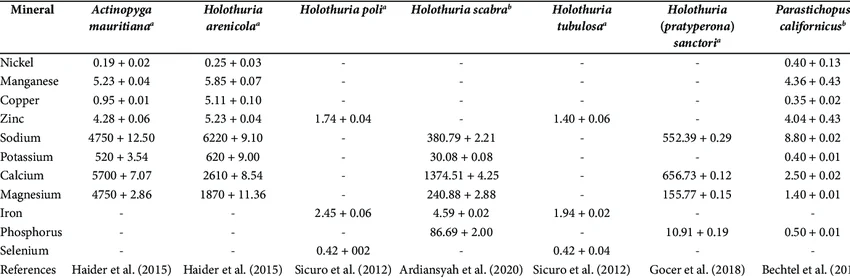
Here's something that often gets overlooked: your immune system can't function properly without certain minerals. We're talking about zinc, selenium, iron, and others that play crucial roles in immune cell development and activity.
Sea cucumbers accumulate various trace minerals from their ocean environment. A study in Food Chemistry (2017) found that sea cucumber tissues contained measurable amounts of several essential minerals3. The concentrations vary depending on where the sea cucumbers are harvested and what species they are, but the presence of these minerals adds to the overall nutritional profile.
That said—and this is important—the amounts in sea cucumber extract may not be sufficient to meet your daily requirements. Think of it as a contributing factor rather than your sole source. You still need a varied diet with plenty of vegetables, whole grains, and other nutrient-dense foods.
4. May Have Antioxidant Properties
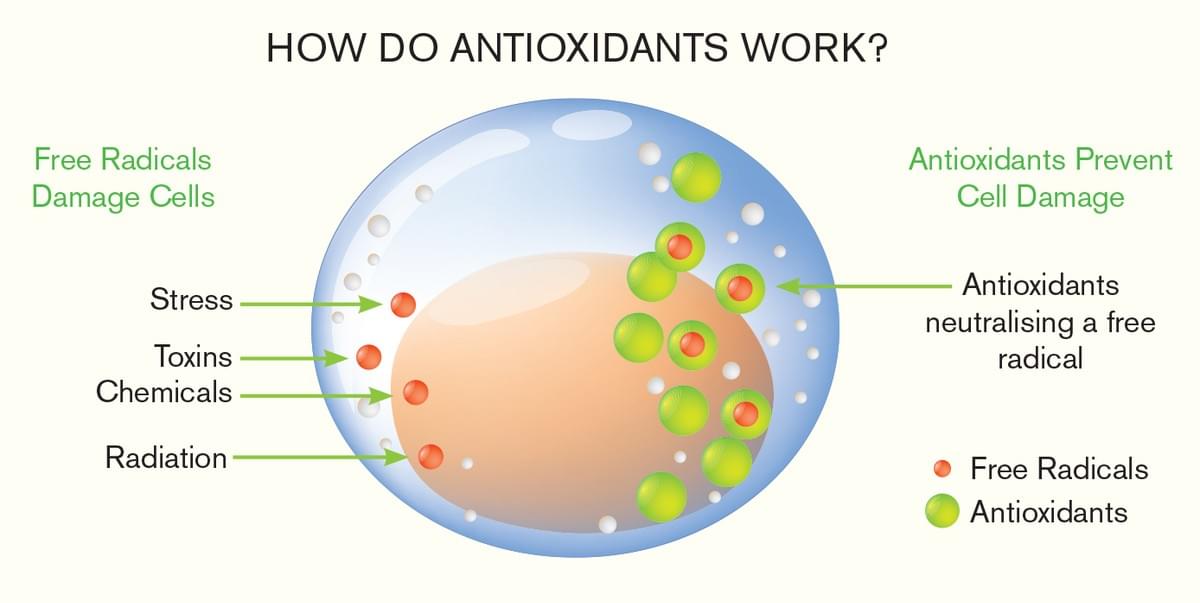
Okay, "antioxidant" has become such a buzzword that it's almost lost meaning. But the basic concept is solid: our bodies produce unstable molecules called free radicals as a normal part of metabolism. When these accumulate excessively, they can cause what's called oxidative stress, which may impact immune function over time.
Sea cucumber extracts have shown antioxidant activity in various studies. Research from 2020 in the International Journal of Molecular Sciences examined peptides derived from sea cucumber and found they exhibited antioxidant properties in laboratory tests4. The researchers noted that these peptides could potentially support cellular health, though they emphasized the need for more research to understand real-world effects.
What's interesting is that different processing methods seem to affect these antioxidant compounds differently. The way sea cucumber is prepared—whether it's dried, extracted, or combined with herbs—can impact which compounds remain active and bioavailable.
5. Traditional Use Alongside Immune-Supporting Herbs
This one's a bit different because it's about synergy rather than sea cucumber acting alone. In traditional Chinese medicine and other Asian healing practices, sea cucumber has typically been used alongside various herbs, not in isolation.
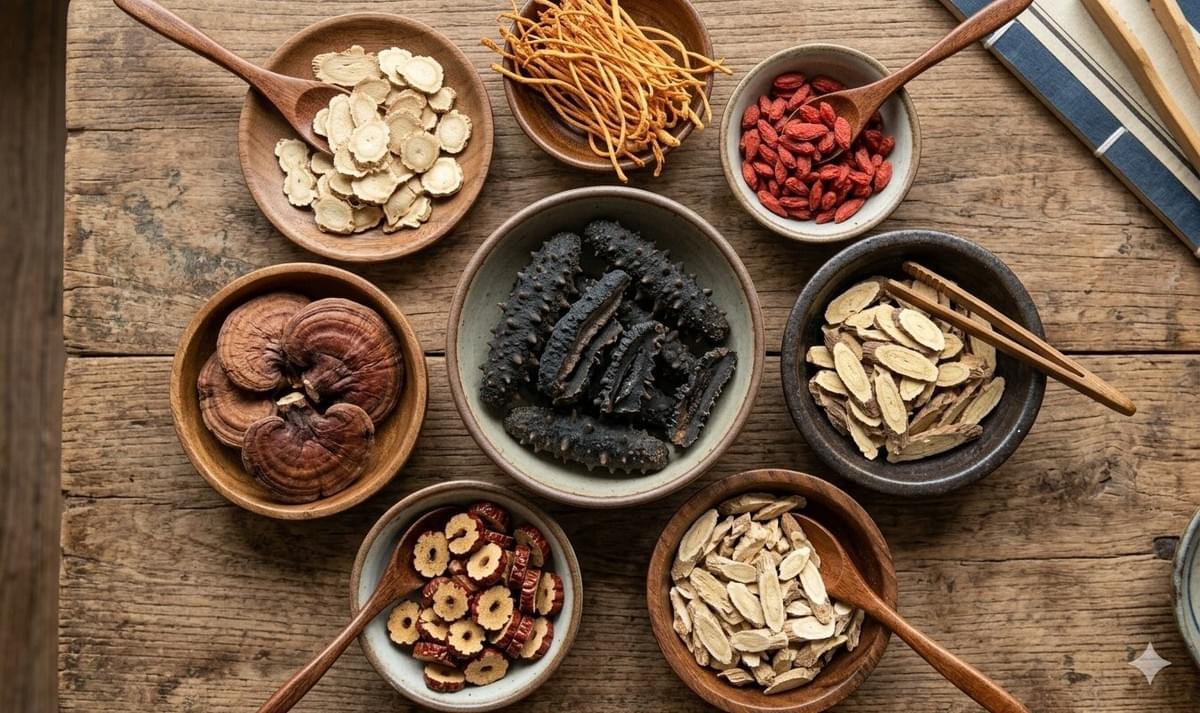
Many herbal drinks that include sea cucumber extract also contain ingredients like ginger, goji berries, ginseng, or other botanicals with their own research-backed properties. Ginger, for instance, has been studied extensively for its bioactive compounds. A 2013 review in the International Journal of Preventive Medicine discussed ginger's various properties including its potential immunomodulatory effects5.
The question researchers are now exploring is whether there's a synergistic effect—do these ingredients work better together than separately? It's an area that's tricky to study because you need to isolate variables carefully, but the traditional practice of combining ingredients suggests our ancestors might have been onto something.
The Bottom Line
Look, I'm not going to tell you that drinking sea cucumber extract will revolutionize your health or prevent you from ever getting sick. That would be dishonest, and frankly, that's not how nutrition works.
What we can say is that sea cucumber contains various compounds—saponins, amino acids, minerals, and antioxidant peptides—that research suggests may support aspects of immune function. It's been used traditionally for centuries, and modern science is beginning to understand some of the mechanisms that might explain why.
If you're interested in trying herbal drinks with sea cucumber extract, think of them as one component of a broader wellness approach. Keep up with the basics: adequate sleep, stress management, regular movement, plenty of vegetables and fruits, staying hydrated, and maintaining social connections. Those fundamentals matter far more than any single food or supplement.
And as always, if you have specific health concerns or are taking medications, chat with your healthcare provider before adding new supplements to your routine. Some natural compounds can interact with medications, and individualized advice is always better than general recommendations.

References
- Kalinin, V.I., Silchenko, A.S., Avilov, S.A., et al. (2018). "Sea cucumber triterpene glycosides: Structures and biological activities." Marine Drugs, 16(1), 22. https://www.mdpi.com/1660-3397/16/1/22 ↩︎
- Hossain, A., Dave, D., & Shahidi, F. (2019). "Northern sea cucumber (Cucumaria frondosa): A potential candidate for functional food, nutraceutical, and pharmaceutical sector." Journal of Aquatic Food Product Technology, 28(5), 460-481. ↩︎
- Zhao, Q., Xue, C.H., Li, Z.J., et al. (2017). "Nutritional composition and bioactive components of sea cucumber." Food Chemistry, 237, 863-869. ↩︎
- Liu, X., Zhang, M., Jia, A., et al. (2020). "Purification and characterization of antioxidant peptides from sea cucumber." International Journal of Molecular Sciences, 21(11), 4100. ↩︎
- Mashhadi, N.S., Ghiasvand, R., Askari, G., et al. (2013). "Anti-oxidative and anti-inflammatory effects of ginger in health and physical activity: Review of current evidence." International Journal of Preventive Medicine, 4(Suppl 1), S36-S42. ↩︎
*Disclaimer: This article is for informational purposes only and does not constitute medical advice. The information presented is based on available research and traditional use. Always consult with a qualified healthcare provider before making changes to your health regimen.*