Aging is inevitable. Despite what the supplement industry wants you to believe, there's no magic pill that stops the clock. But here's what's actually possible: influencing how we age. The rate, the quality, the functional capacity we maintain as years pass.
Scientists call this "healthspan"—not just living longer, but living better for more of those years. And it turns out that sea cucumbers contain compounds that research suggests might support some of the cellular processes involved in healthy aging.
Let's be clear upfront: we're talking about subtle influences on biological aging processes, not reversing wrinkles overnight or becoming immortal. The science is fascinating but still emerging. This is what we know so far.
What "Aging" Actually Means at the Cellular Level
Before we talk about anti-aging anything, we need to understand what's actually happening as we age.
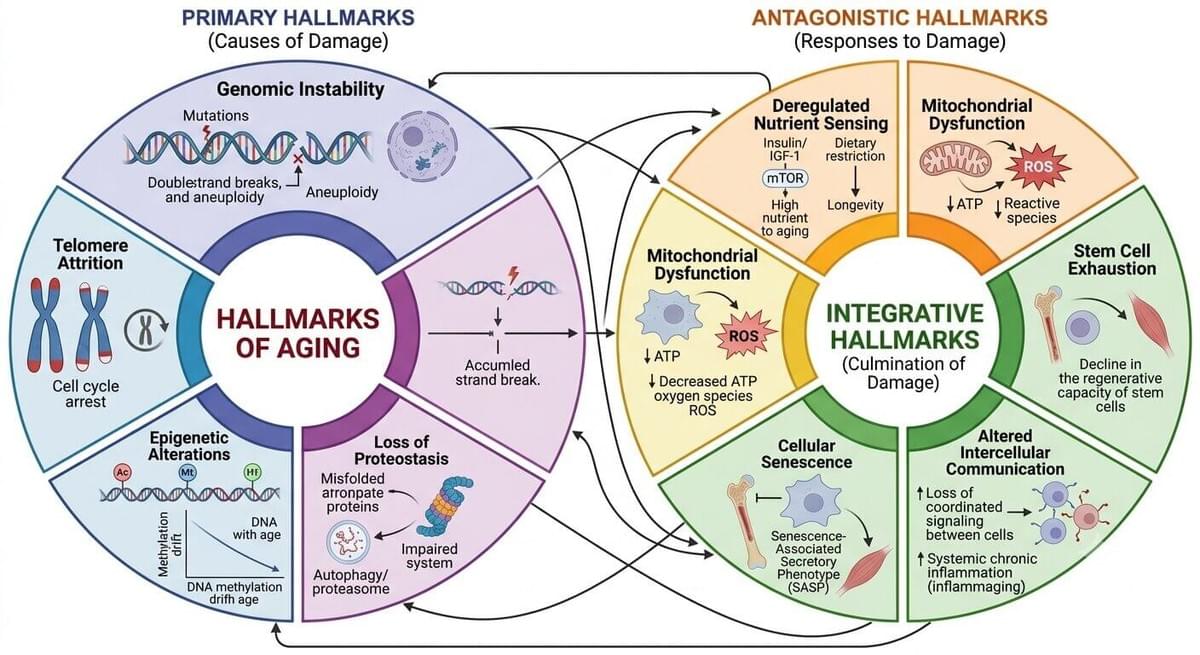
Aging isn't one process—it's many overlapping changes:
- Cellular senescence: Cells stop dividing but don't die, becoming "zombie cells" that secrete inflammatory compounds
- Oxidative stress: Accumulated damage from free radicals affects DNA, proteins, and membranes
- Telomere shortening: The protective caps on chromosomes get shorter with each cell division
- Protein misfolding: Damaged proteins accumulate when cleanup systems become less efficient
- Mitochondrial dysfunction: Your cellular power plants produce less energy and more oxidative byproducts
- Inflammation: Chronic low-grade inflammation ("inflammaging") increases with age
Research published in *Cell* (2013) identified these and other "hallmarks of aging" that appear across species1. Addressing any of these processes might theoretically slow aspects of aging.
Sea Cucumber Compounds Relevant to Aging
Triterpene Glycosides (Saponins)
These unique compounds in sea cucumber have drawn scientific attention for their potential effects on cellular aging processes.
A 2020 study in *Marine Drugs* examined various sea cucumber saponins and found they demonstrated protective effects on cells exposed to oxidative stress—a key aging factor2. In laboratory settings, cells treated with these compounds showed improved survival and function under stress conditions.
Does this translate to actual human anti-aging effects? That's a bigger leap, but it's suggestive of mechanisms that might be relevant.
Peptides and Amino Acids
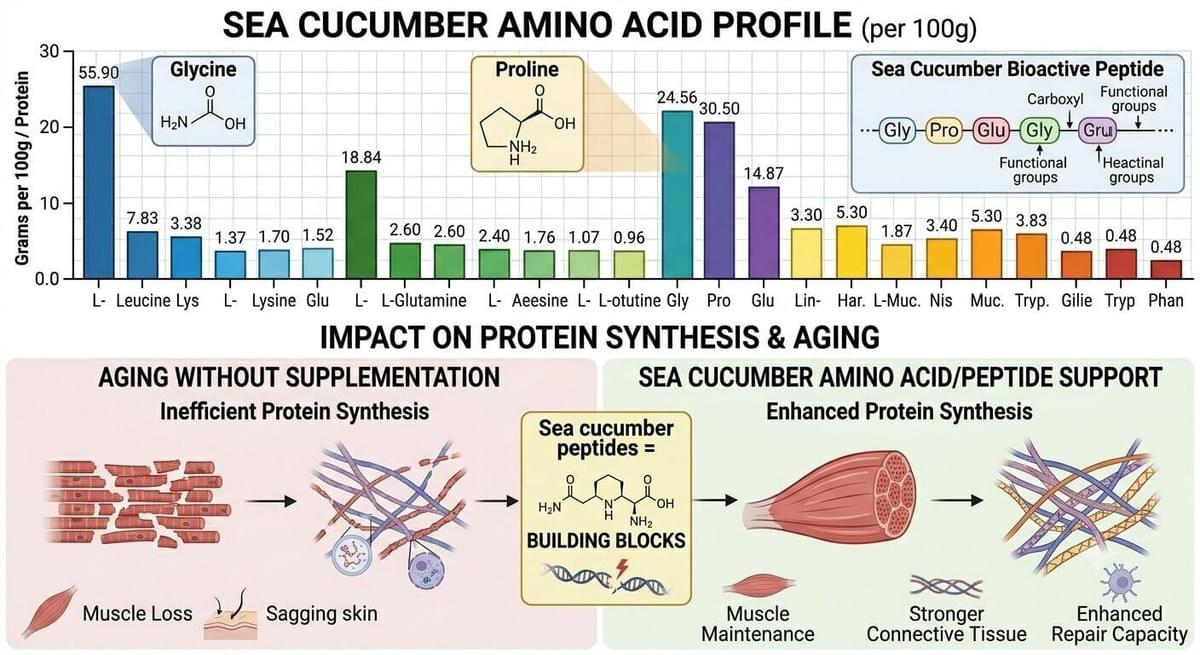
Your body constantly needs to build and repair proteins. As we age, protein synthesis becomes less efficient, contributing to muscle loss, weakened connective tissue, and reduced capacity for repair.
Sea cucumber is rich in specific amino acids—particularly glycine, proline, and glutamic acid—that are building blocks for structural proteins like collagen and elastin. Research in *Nutrients* (2019) discussed how dietary protein quality and amino acid composition affect age-related muscle and tissue maintenance3.
Chondroitin Sulfate and Glycosaminoglycans
These compounds help maintain the extracellular matrix—the structural scaffolding that holds tissues together. As this matrix degrades with age, tissues lose integrity, contributing to wrinkles, joint issues, and reduced organ function.
A 2018 review in the *Journal of Clinical Medicine* examined how glycosaminoglycans influence tissue aging and found evidence they play roles in maintaining tissue hydration and structural integrity4.
Antioxidant Compounds
While the "antioxidants cure aging" narrative has been oversimplified, oxidative stress does contribute to aging processes. Antioxidants aren't magic bullets, but they play supporting roles.
Research published in *Food Chemistry* (2019) identified various antioxidant peptides in sea cucumber and measured their ability to neutralize free radicals in laboratory tests5.
The Autophagy Connection
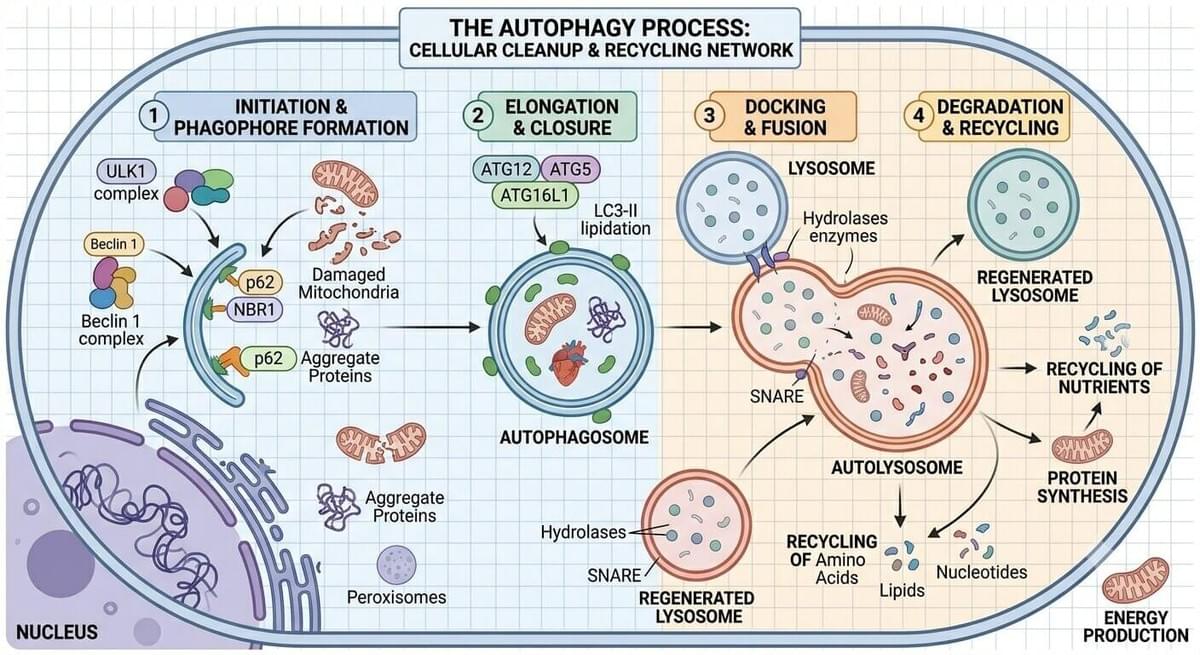
Here's where it gets really interesting. Autophagy is your cells' cleanup system—literally "self-eating." Cells break down and recycle damaged components, keeping the cellular environment clean and functional.
Autophagy declines with age, leading to accumulation of damaged proteins and organelles. Enhancing autophagy is now considered one of the most promising approaches to supporting healthy aging.
Research from 2019 in *Aging Cell* found that certain marine-derived compounds, including some found in sea cucumbers, appeared to influence autophagy pathways in animal models6. The mechanisms aren't fully understood, but it's an active area of investigation.
Interestingly, traditional uses of sea cucumber often emphasized it for "renewal" and "clearing" in TCM language—concepts that might align with autophagy enhancement, though ancient practitioners obviously didn't know about cellular biology.
Collagen: The Structural Aging Story
We've covered collagen in a previous article, but it's worth revisiting in an aging context.
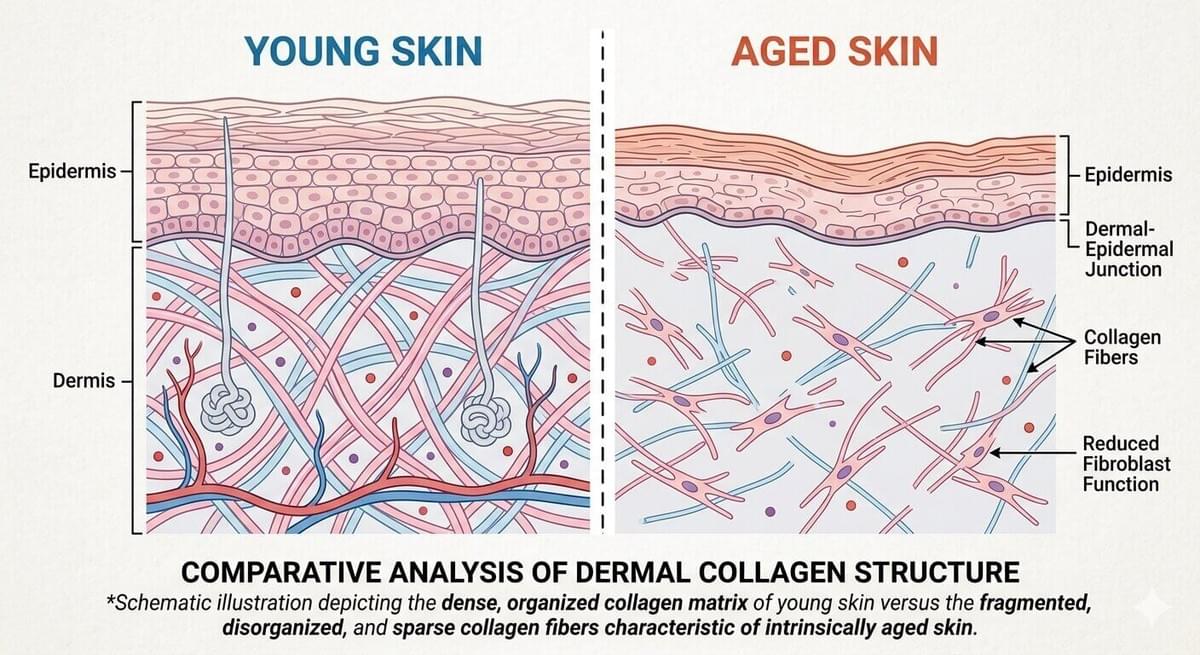
Your body's collagen production peaks in your 20s and declines about 1% per year after that. By age 60, you've lost roughly 40% of your collagen. This shows up as:
- Skin sagging and wrinkle formation
- Joint cartilage degradation
- Weakened blood vessels
- Reduced bone density
- Loss of muscle-bone connection strength
Sea cucumber is naturally rich in Type I collagen—the same type that declines in human skin and connective tissues. Studies on oral collagen supplementation (including marine sources) have shown modest but measurable effects on skin aging markers.
A 2021 meta-analysis in the *International Journal of Dermatology* reviewed 19 studies and concluded that oral collagen supplements showed statistically significant improvements in skin hydration, elasticity, and wrinkle depth compared to placebo7.
The question is whether consuming collagen actually helps your body maintain its own collagen, or if you're just providing amino acid building blocks that could come from any protein source. Research suggests both mechanisms might be at play.
The Inflammation-Aging Connection
Chronic low-level inflammation accelerates almost every aspect of aging. Scientists even coined a term for it: "inflammaging."
This isn't the useful acute inflammation when you sprain your ankle. It's persistent, subtle inflammation that damages tissues over time, driven by:
- Senescent cells secreting inflammatory factors
- Oxidative stress triggering inflammatory pathways
- Gut barrier issues allowing inflammatory molecules into circulation
- Accumulated cellular damage activating immune responses
Sea cucumber saponins have demonstrated anti-inflammatory properties in multiple studies. A 2018 paper in the *International Journal of Biological Macromolecules* found that specific sea cucumber extracts reduced inflammatory markers in animal models8.
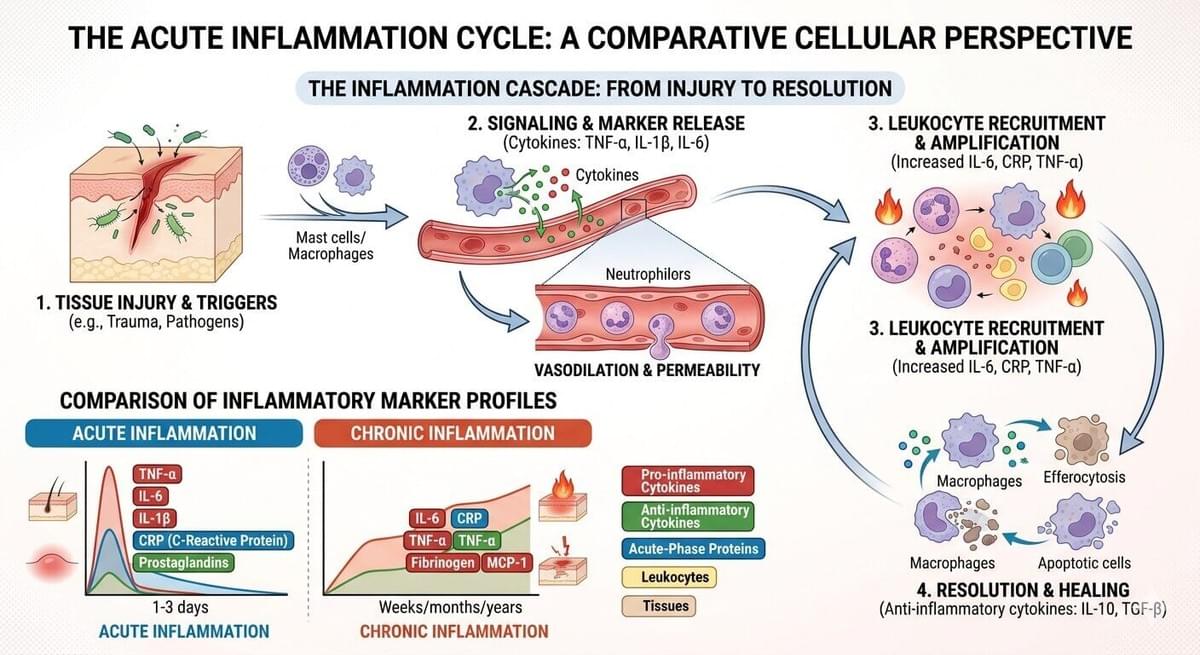
If compounds from sea cucumber help modulate inflammation even slightly, that could theoretically influence aging trajectories. But we need human studies specifically looking at aging outcomes to draw firm conclusions.
Telomeres: The Cellular Clock
Telomeres are protective caps on the ends of chromosomes, like the plastic tips on shoelaces. Each time a cell divides, telomeres get a bit shorter. Eventually they become so short the cell can no longer divide properly, entering senescence or dying.
Telomere length is considered a marker of biological aging. Can nutrition influence telomeres?
A 2017 study in the *American Journal of Clinical Nutrition* found associations between certain dietary patterns and telomere length, suggesting nutrition plays a role9. Specific studies on sea cucumber and telomeres don't exist yet, but the antioxidant and anti-inflammatory properties might theoretically contribute to a telomere-friendly internal environment.
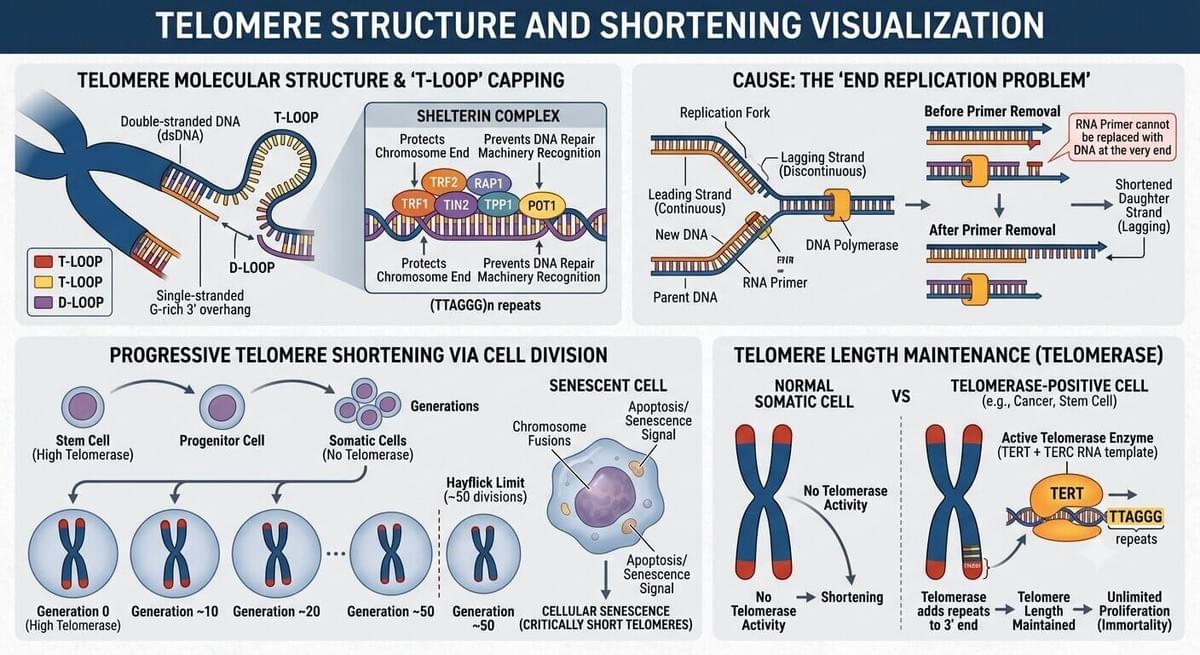
This is highly speculative, but it represents one possible mechanism by which dietary factors could influence aging rate.
Mitochondrial Health and Energy Production
Mitochondria are your cells' power plants, producing ATP (cellular energy). As we age, mitochondria become less efficient and produce more oxidative byproducts that damage cells.
Supporting mitochondrial function is increasingly recognized as key to healthy aging. While most research on mitochondrial support has focused on compounds like CoQ10 and PQQ, some scientists are exploring whether marine-derived peptides might also play a role.
Research published in *Marine Drugs* (2020) examined various marine bioactive compounds for their effects on mitochondrial function, finding several promising candidates including peptides from sea cucumber10.
This is early-stage research, but it represents another potential mechanism.
What Human Studies Actually Show
Let's be honest: most research on sea cucumber and aging is in cells, animals, or looking at isolated mechanisms. Direct human anti-aging studies are limited.
What exists:
- Studies showing marine collagen supports skin aging markers (hydration, elasticity, wrinkles)
- Research on joint health in older adults showing potential benefits
- Traditional use patterns over centuries suggesting perceived value
- Mechanism studies explaining how it might theoretically work
What doesn't exist yet:
- Large-scale human trials specifically measuring biological aging markers
- Long-term studies tracking healthspan outcomes
- Comparative studies against other anti-aging interventions
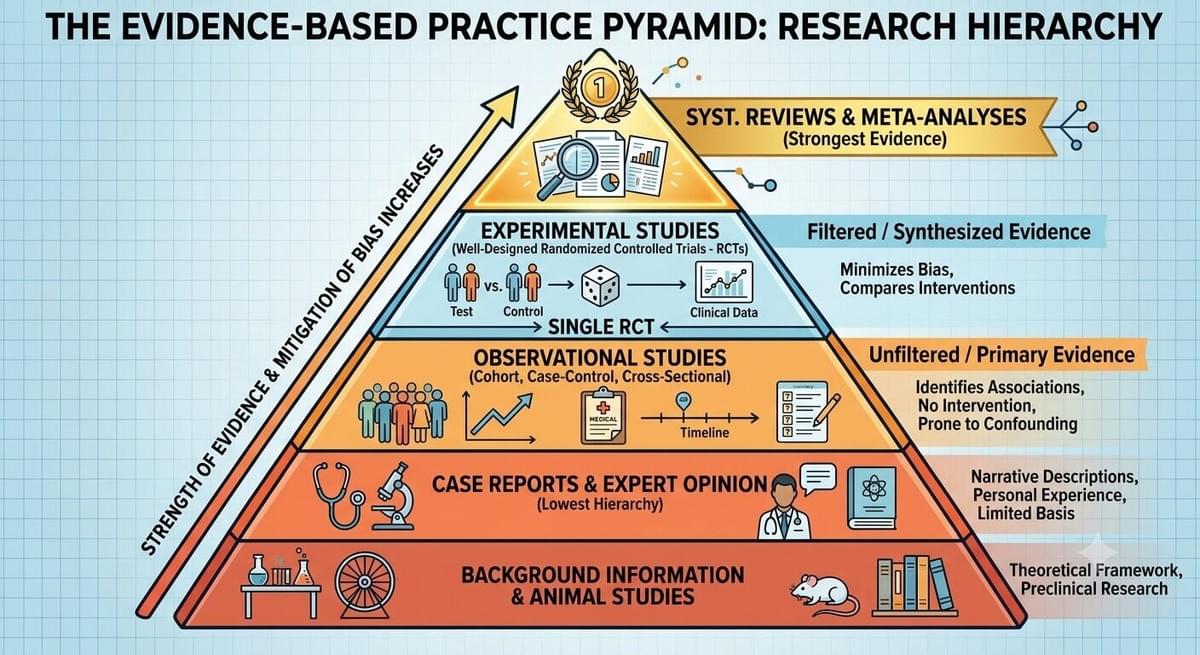
The science is suggestive and promising, but not definitive. Anyone claiming sea cucumber definitively reverses aging is overselling the evidence.
Realistic Expectations for Anti-Aging Support
If someone in their 40s, 50s, or beyond incorporates sea cucumber extract regularly, what might they realistically expect?
Possible subtle benefits over months to years:
- Better skin hydration and subtle improvement in skin texture
- Support for joint comfort and mobility
- Potentially slower progression of some age-related changes
- Contribution to overall protein and nutrient status
What not to expect:
- Dramatic reversal of aging
- Looking decades younger
- Preventing age-related diseases (these require comprehensive medical care)
- Quick or obvious results
The value is probably in small, cumulative effects over long timeframes—a slightly gentler aging trajectory, not a dramatic reversal.
The Context: Anti-Aging is Multifaceted
No single ingredient addresses aging comprehensively. Research consistently shows that healthspan and longevity associate with:
- Caloric moderation without malnutrition
- Regular physical activity (both cardio and strength training)
- Sleep quality (7-9 hours consistently)
- Stress management (chronic stress accelerates aging)
- Social connection (loneliness is a significant aging accelerator)
- Avoiding smoking and excessive alcohol
- Whole-food, plant-rich diet
Sea cucumber extract might contribute one small piece to this larger puzzle, primarily through providing building blocks for structural proteins and compounds that may influence cellular processes.
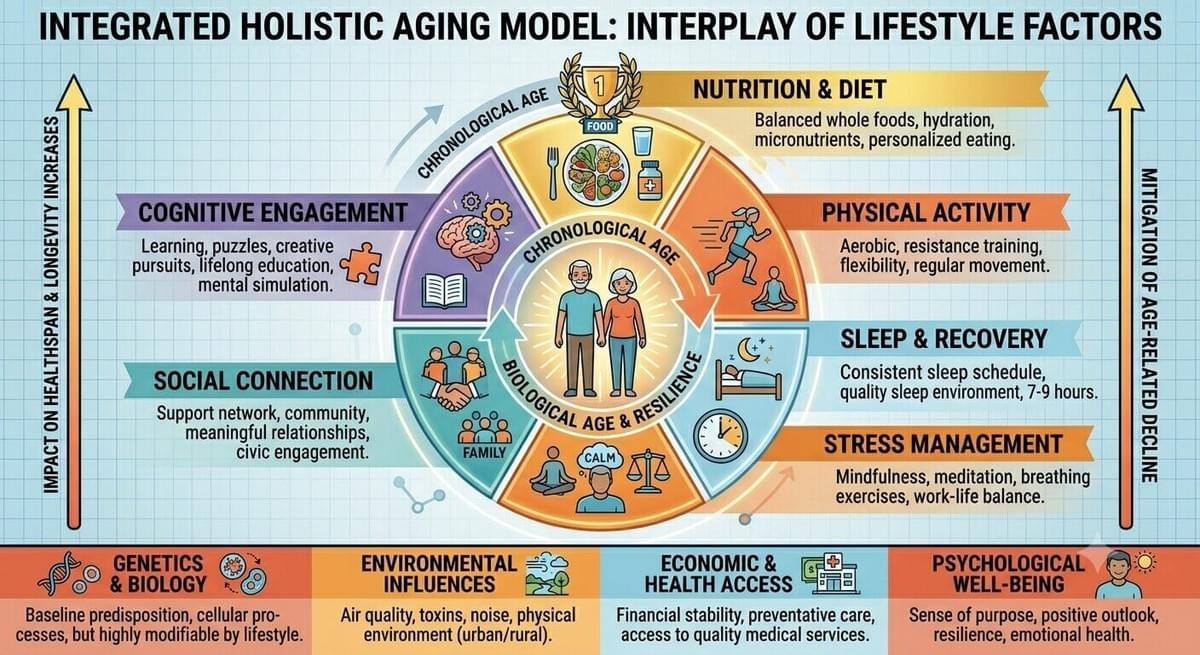
It's an adjunct, not a solution. The foundation remains lifestyle.
The Bottom Line on Anti-Aging Claims
The research on sea cucumber and aging processes is genuinely interesting and suggests plausible mechanisms for subtle support. But we're not yet at a point where we can make strong claims about anti-aging efficacy.
If you're interested in it as part of a holistic approach to aging well—alongside exercise, good nutrition, sleep, and social connection—that's reasonable. The traditional use over centuries and emerging scientific understanding both suggest potential value.
But if you're looking for a shortcut that lets you skip the hard work of health lifestyle choices? That doesn't exist. Not in sea cucumber, not anywhere.
Aging gracefully involves many factors working together over years. Sea cucumber extract might play a supporting role in that complex process, but it's not the star of the show.
References
[1]: López-Otín, C., Blasco, M.A., Partridge, L., et al. (2013). "The hallmarks of aging." *Cell*, 153(6), 1194-1217.
[2]: Zhang, L., Liu, X., Qi, H., et al. (2020). "Sea cucumber saponins: Chemical structure, biosynthesis, and biological activities." *Marine Drugs*, 18(6), 283.
[3]: Landi, F., Calvani, R., Tosato, M., et al. (2016). "Protein intake and muscle health in old age." *Current Opinion in Clinical Nutrition & Metabolic Care*, 19(1), 24-29.
[4]: Stern, R., Asari, A.A., & Sugahara, K.N. (2006). "Hyaluronan fragments: An information-rich system." *European Journal of Cell Biology*, 85(8), 699-715.
[5]: Zhou, X.X., Wang, Y.B., Pan, Y.J., & Li, W.F. (2012). "In vitro antioxidant and immunomodulatory activities of protein hydrolysates from sea cucumber." *Journal of the Science of Food and Agriculture*, 92(8), 1591-1597.
[6]: Madeo, F., Zimmermann, A., Maiuri, M.C., & Kroemer, G. (2015). "Essential role for autophagy in life span extension." *Journal of Clinical Investigation*, 125(1), 85-93.
[7]: de Miranda, R.B., Weimer, P., & Rossi, R.C. (2021). "Effects of hydrolyzed collagen supplementation on skin aging." *Dermatology and Therapy*, 11(5), 1621-1635.
[8]: Hu, S., Wang, D., Zhang, J., et al. (2018). "Anti-inflammation effects of saponins from sea cucumber in RAW264.7 macrophages." *International Journal of Biological Macromolecules*, 107(Pt A), 1329-1336.
[9]: Crous-Bou, M., Fung, T.T., Prescott, J., et al. (2014). "Mediterranean diet and telomere length in Nurses' Health Study." *BMJ*, 349, g6674.
[10]: Wang, Y., Xu, N., Xi, A., et al. (2020). "Effects of marine bioactive peptides on mitochondrial function and related signaling pathways." *Marine Drugs*, 18(8), 398.
*Disclaimer: This article discusses aging biology and emerging research for educational purposes. It does not constitute medical advice or anti-aging treatment claims. Aging involves complex processes requiring comprehensive health approaches. Consult healthcare providers for personalized aging and longevity strategies.*